
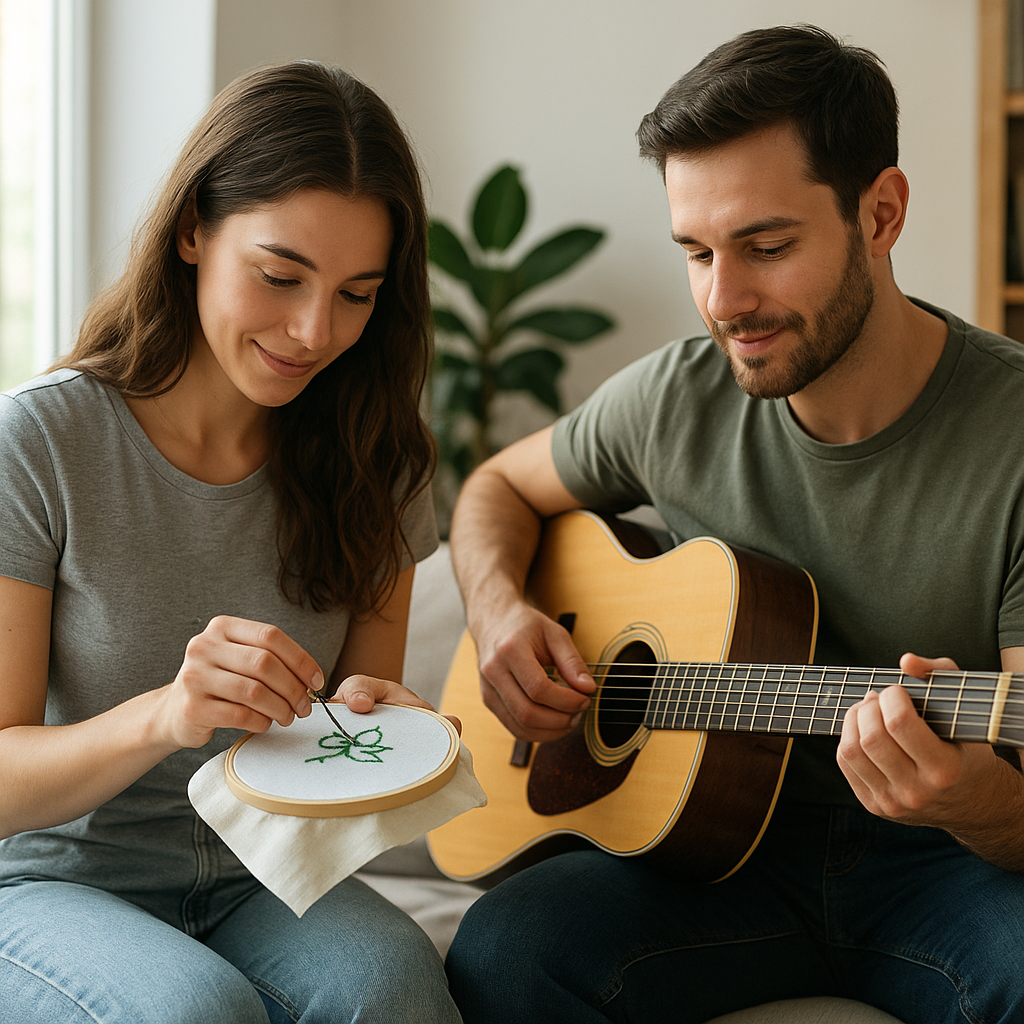
Couples hobbies that actually strengthen your bond
I used to think romance was just about grand gestures. After a decade of marriage, I realized the real glue comes from intentional routines that require actual effort. When two people stop growing side by side, they start drifting into separate orbits. That’s exactly why finding a solid pastime for partners isn’t about killing time. It’s about building a private language, a rhythm that belongs to nobody else but you.
Why couple hobbies beat solo pastimes every time
Historically, shared activities were survival-based. You farmed, repaired homes, or traded goods together because you had to. Today, we have the luxury of endless options, which paradoxically makes it harder. Modern relationships demand deliberate connection because the default state of daily life is digital distraction. The shift from mandatory teamwork to voluntary partnership is a massive psychological leap. You are no longer bound by necessity, so you must choose to build something together. That’s where intentional shared time steps in.
Finding hobbies for couples when routine sets in
When the initial spark fades into grocery lists and calendar invites, you need a reset mechanism. The problem isn’t lack of love. It’s lack of novelty. Your brain stops releasing dopamine for familiar patterns. Introducing structured activities forces your nervous system back into sync. You learn to read each other’s micro-expressions, adjust pace, and negotiate friction without resentment. It’s basically relationship maintenance disguised as play.
Things to do as a married couple without burning out
Time is the biggest bottleneck. If you wait for a free Saturday, you will wait forever. The trick is micro-engagement. Ten minutes of focused interaction beats two hours of distracted screen time. I learned that the hard way after trying to plan elaborate trips that never happened. Start small. Cook a meal from scratch. Fix a broken shelf. Sort old photos. The goal isn’t the output. It’s the process of navigating it together.
What couples do together to build real intimacy
“The quality of a relationship depends on how much space you leave for mutual discovery.”
Intimacy isn’t just physical. It’s cognitive alignment. When you tackle a puzzle, learn a chord progression, or map out a trail, you share problem-solving bandwidth. You see how your partner handles stress, adapts to mistakes, and celebrates small wins. That visibility builds trust faster than any conversation. It’s a silent audit of compatibility.
Best couple hobbies for different life stages
| Activity Type | Time Required | Mental Load | Connection Boost |
|---|---|---|---|
| Strategy board games | 1-2 hours | Moderate | High |
| Gardening projects | 30-45 min | Low | Steady |
| Language drills | 20 min | High | Very High |
Common interests for couples and how to align them
Not every pastime works for everyone. Some pairs need adrenaline, others crave quiet creativity. I’ve tested dozens of activities with my wife, and I learned that alignment of energy levels beats matching interests every single time. If one person wants to paint and the other wants to hike, you either take turns or find a middle ground like photography on trails. You don’t need identical tastes. You just need compatible pacing.
- Outdoor tracking and weekend camping trips
- Home brewing and recipe development
- Language learning through apps and conversation clubs
- Volunteering at local community centers
Couples hobby ideas that require zero equipment
Start with an audit. Write down three things you both tolerated, one thing you loved, and one thing you avoided. Cross-reference. The overlap is your starting point. Don’t buy expensive gear upfront. Rent, borrow, or use household items. I used cardboard and masking tape before investing in proper tools. It kept the pressure off and made the process fun instead of performative.
Things married couples do to keep the spark alive
Sometimes you just need low-effort engagement. Watching a series together counts only if you discuss it. Otherwise it’s parallel scrolling. Real connection happens when both brains are mildly challenged. A quick logic puzzle, cooking a new dish, or even reorganizing a bookshelf by color can reset the mental static. You are rebuilding attention spans, not just filling hours.
Hobbies to do with partner when you are tired
Fatigue is a relationship killer. When you are drained, skip the high-stakes projects. Pick activities that require passive presence but active listening. Audiobook listening, sketching from memory, or sorting through old receipts to build a budget. It sounds boring until you realize how much quiet cooperation you have been missing. It’s about being in the same mental room without demanding output.
Good hobbies for couples who hate forced fun
Forced enjoyment backfires. If it feels like a chore, drop it. The best shared pastimes feel like a natural extension of your existing habits. If you both drink coffee, learn roasting techniques. If you commute together, switch to podcasts and debate them. If you walk the dog, add geocaching or route mapping. You are not creating new personalities. You are just upgrading the default settings.
Healthy hobbies for couples and active alternatives
Physical movement syncs nervous systems. Dancing, rock climbing, or cycling together creates a natural feedback loop where you read each other’s cues. It’s not about winning a marathon. It’s about breathing at the same pace. When you exert yourselves, the brain releases oxytocin and endorphins that mimic early-stage attraction. That’s a biological shortcut to remembering why you chose this person. Tracking progress over months shows a clear curve. The first few attempts are awkward, often filled with mismatched expectations. By the third month, you stop keeping score and start anticipating moves. That’s the exact moment a pastime transforms into a shared psychological anchor.
Shared hobbies that transform over time
Relationships aren’t static. They need fresh input, just like any system. The couples who thrive treat their free time as a laboratory rather than a waiting room. You don’t need a therapist or a weekend getaway. You just need to agree on a direction and walk it together, even if the path is messy at first. I still remember our first attempt at indoor climbing. We fell, argued, and almost quit. But we went back. That’s the difference. You don’t need to be good at it. You just need to be consistent.
New things to do with your partner when you feel stuck
Stagnation usually means you have exhausted your usual routes. Switch the environment. If you always meet indoors, go outside. If you always plan alone, let the other person lead. Change the rules. Play without winning. Try cooking blindfolded. Build a fort. The absurdity breaks the pattern and forces genuine laughter. It’s a cheap, effective reset for emotional bandwidth.
How to pick hobbies for young couples starting out
When you are just building a foundation, the goal is friction reduction. Pick something that forces you to communicate without pressure. Volunteering locally, assembling furniture, or even tracking household expenses builds trust faster than any retreat. The early years set the pattern, so choose activities that leave room for mistakes without blame. I burned a complicated risotto twice before getting it right. Definately not my finest kitchen moment, but it taught us patience.
Active hobbies for couples who need movement
If sitting still makes you restless, lean into motion. Trail running, paddle boarding, or even urban photography walks keep your bodies engaged and your minds focused on the same horizon. Movement reduces cortisol. It also forces you to navigate physical space together, which translates directly to emotional navigation. You learn when to push forward and when to step back. That’s the same rhythm you need at home.
Husband and wife hobbies that build trust
Trust isn’t built in declarations. It’s built in repeated, low-stakes commitments. When you show up for a weekly chess match, a monthly DIY project, or a daily walk, you prove reliability. Over time, those micro-promises compound. You stop wondering if the other person will follow through. You just assume it. That assumption is the foundation of long-term stability.
What are things couples do when they want to grow
Growth requires discomfort. If you stay in your comfort zone, you will plateau. Pick something that challenges both of you slightly beyond your current skill level. Learn a new software, restore a vintage item, or join a local class. The shared struggle creates empathy. You see the other person’s vulnerabilities and adapt your support style accordingly. It’s practical emotional training.
Hobbies that couples can do together on weekends
Weekends shouldn’t be for recovery only. They are your primary investment window. Block three hours. Turn off notifications. Pick one activity and stick to it. Don’t multitask. Don’t check emails. The goal is undivided attention. You will be surprised how much resentment dissolves when you actually look at each other and engage in the same task. It’s not magic. It’s focus.
Fun things to do with my wife without breaking the bank
Expensive dates are just rented experiences. Real connection is free. Walk through a neighborhood you never visit. Sketch buildings from a park bench. Cook a dish using only what’s in the pantry. The constraints breed creativity. You learn to enjoy the process rather than the product. That mindset shift saves thousands and strengthens the relationship at the same time.
Hobby ideas for couples who want to level up
Once you have a baseline, scale it. If you enjoy cooking, host a monthly tasting for friends. If you like walking, map out a regional trail guide. If you play games, organize a local tournament. Scaling turns a personal pastime into a community contribution. It adds purpose. Purpose is the antidote to burnout. You are not just passing time. You are building a legacy of shared attention, and that’s worth more than any trophy. You can read more about modern relationship dynamics and shared experince frameworks at this research overview.